
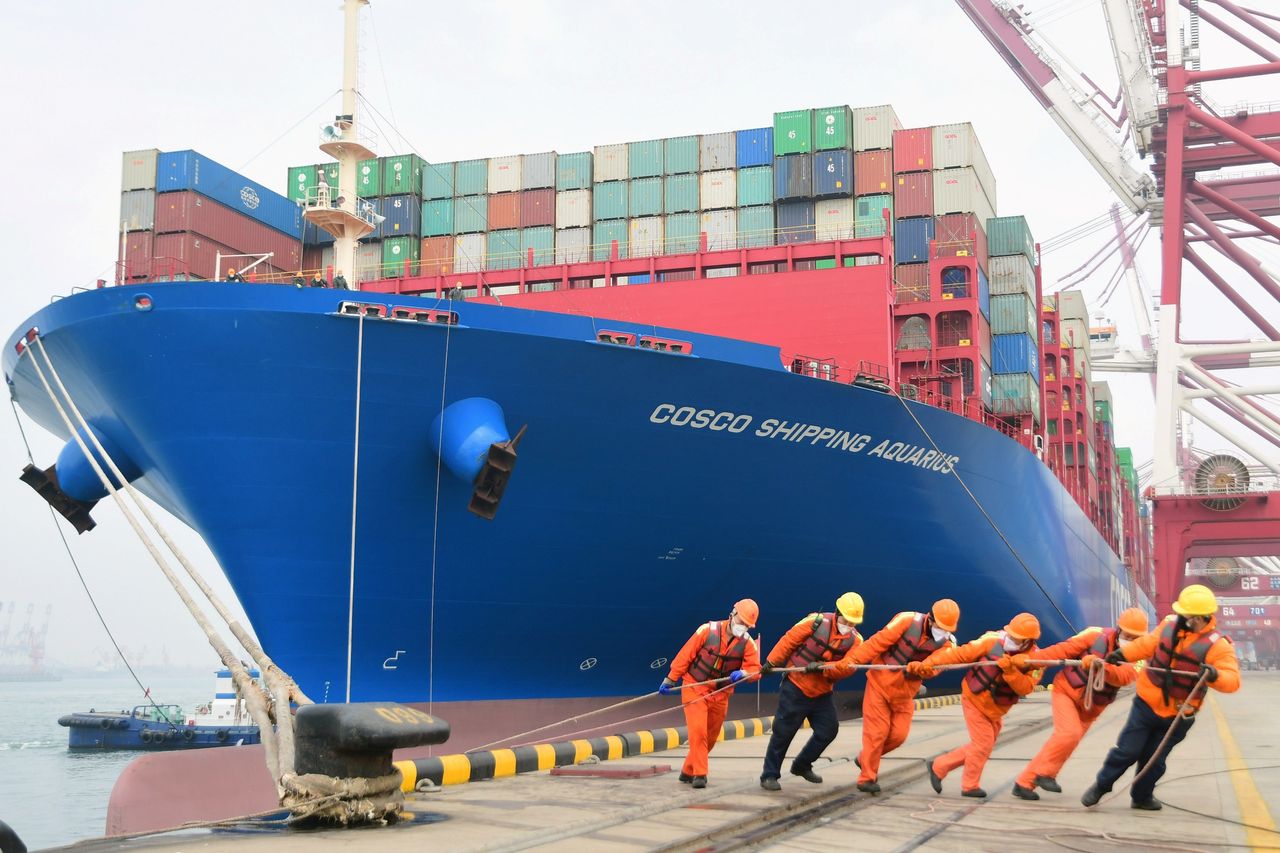
Shipping Industry
1. Executive Summary
The PRC shipping industry is a strategically critical sector supported by strong state involvement and policy backing. It plays a central role in global trade, energy security, and China’s Belt and Road Initiative (BRI). While the industry benefits from scale, infrastructure dominance, and government support, it is also exposed to cyclical demand, geopolitical risk, and regulatory pressures. From an investment perspective, the sector offers cyclical upside and defensive characteristics, particularly through state-owned leaders, but requires careful timing and risk management.
2. Industry Overview
China is the world’s largest trading nation and a key hub in global maritime transportation. The PRC shipping industry covers:
- Container shipping
- Bulk shipping (dry and liquid)
- Port operations and logistics
- Ship leasing and maritime services
Major players are predominantly state-owned enterprises (SOEs), ensuring alignment with national strategic objectives rather than purely commercial returns.
3. Key Industry Players
- China COSCO Shipping Corporation
- Global leader in container and bulk shipping
- Vertically integrated with ports, logistics, and ship leasing
- China Merchants Group
- Strong exposure to ports, terminals, and logistics infrastructure
- Sinotrans
- Focus on freight forwarding and logistics services
These firms benefit from economies of scale, preferential financing, and policy support.
4. Industry Drivers
4.1 Trade Volume and Global Demand
Shipping demand is closely tied to global economic growth, commodity flows, and manufacturing output. China’s role as both exporter and importer underpins long-term volume growth.
4.2 Government Policy Support
- Belt and Road Initiative (BRI)
- Port consolidation and modernization
- Strategic fleet expansion
These policies enhance industry stability and global reach.
4.3 Cost and Efficiency Improvements
- Larger vessels (economies of scale)
- Digitalization and smart ports
- Integrated logistics solutions
5. Competitive Advantages
- Scale and Network Effects: Extensive global routes and port access
- State Backing: Easier access to capital and strategic protection
- Vertical Integration: Control across shipping, ports, and logistics
These factors create high barriers to entry for new competitors.
6. Risk Factors
6.1 Cyclicality
Freight rates are highly volatile and sensitive to global economic cycles.
6.2 Geopolitical Risk
Trade tensions, sanctions, and regional conflicts may disrupt routes and demand.
6.3 Regulatory and Environmental Pressure
- Emission reduction requirements
- Carbon costs and fuel transition (e.g., LNG, methanol)
6.4 Capital Intensity
High fixed costs and long asset lifecycles increase downside risk during downturns.
7. Financial Characteristics (Industry Level)
- Revenue: Highly correlated with freight rates
- Margins: Volatile but can expand significantly during upcycles
- Balance Sheets: Generally leveraged but supported by state ownership
- Cash Flow: Strong during peak cycles, weaker during downturns
8. Valuation Considerations
Investors typically value PRC shipping companies using:
- P/B ratios (due to asset-heavy balance sheets)
- EV/EBITDA for cycle-adjusted comparisons
- Net Asset Value (NAV) for fleet-based valuation
Historically, the sector trades at a discount to global peers due to governance and geopolitical concerns.
9. Investment Outlook
Short to Medium Term
- Dependent on global trade recovery and freight rate trends
- Tactical opportunities during upcycles
Long Term
- Structural importance to China’s economy
- Beneficiary of supply chain reconfiguration and infrastructure investment
10. Investment Conclusion
The PRC shipping industry represents a strategic, policy-backed sector with strong long-term relevance but pronounced cyclical risk. For investors, it is best approached as:
- A cyclical allocation rather than a core defensive holding
- More attractive through market leaders with diversified operations
Overall, the sector is suitable for investors with medium-to-high risk tolerance who can actively manage cycle exposure and geopolitical risk.